AI Agents Are Replacing Apps: The Biggest Tech Shift Happening Right Now
AI agents are rapidly evolving from simple chatbots into autonomous digital assistants capable of replacing traditional apps and workflows. Here’s why experts believe this could become the biggest shift in technology since smartphones.

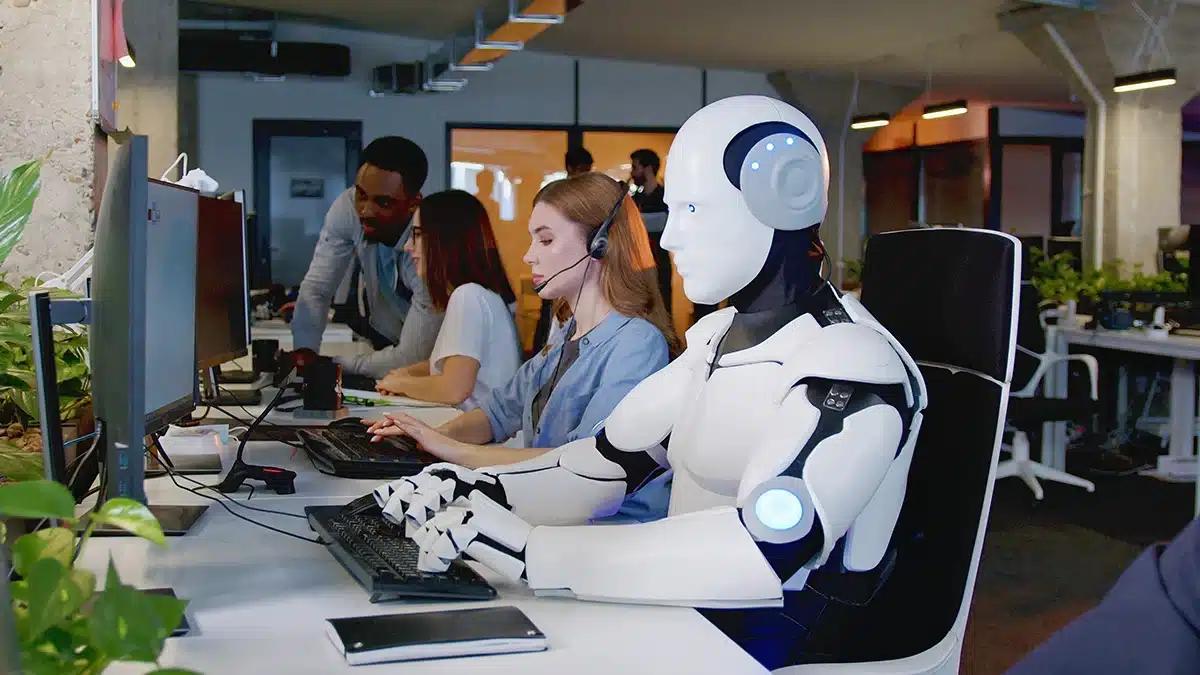
Introduction
The tech industry may be entering its biggest transformation since the smartphone revolution.
This week, AI discussions exploded across the internet after multiple reports suggested that major companies like OpenAI, Google, Microsoft, and Anthropic are aggressively moving toward an “AI agent-first” future — where users may no longer need traditional apps for many daily tasks.
Instead of manually opening apps, searching menus, and completing workflows step by step, AI agents could soon handle everything automatically.
And honestly?
This changes everything.
What Exactly Are AI Agents?
AI agents are advanced AI systems capable of performing tasks autonomously.
Unlike traditional chatbots, modern AI agents can:
- Understand goals
- Make decisions
- Use multiple tools
- Perform actions
- Learn workflows
- Complete multi-step tasks automatically
Think of them as intelligent digital employees instead of simple assistants.
A Future Without Apps?
One of the biggest discussions happening in the AI world right now is the idea that apps themselves may become less important in the future.
Today, booking a trip usually involves:
- Opening multiple apps
- Comparing prices
- Checking maps
- Filling forms
- Making payments
But AI agents could soon do all of this automatically.
You simply say:
“Book me a 3-day Goa trip under ₹25,000 with beachside hotels and morning flights.”
And the AI handles everything.
No switching apps.
No manual searching.
No repetitive workflows.
Why Big Tech Companies Are Racing Toward AI Agents
Major AI companies are investing billions into AI infrastructure and autonomous systems.
Recent reports reveal:
- OpenAI is heavily expanding enterprise AI deployment
- Google is integrating Gemini AI deeper into Android and Search
- Microsoft is embedding AI into business workflows
- Anthropic is scaling enterprise AI systems rapidly
The reason is simple:
AI agents could become the next operating system layer of the internet.
AI Is Moving Beyond Chatbots
Until recently, AI mostly answered questions.
Now AI can:
- Write code
- Build websites
- Analyze documents
- Generate videos
- Automate customer support
- Schedule meetings
- Detect security vulnerabilities
- Operate business workflows
Some newer AI systems are even learning how to interact with the physical world through robotics and “physical AI.”
This marks a huge shift from passive AI tools to active AI operators.
What This Means for Developers
This shift will dramatically change software development.
Future developers may spend less time building isolated screens and more time building:
- AI-powered workflows
- Agent ecosystems
- API-driven systems
- Automation pipelines
- AI integrations
- Context-aware interfaces
Traditional apps may evolve into backend services for AI agents.
Frontend development itself could also become more conversational and adaptive.
The Rise of AI-First Products
Startups are already building:
- AI browsers
- Autonomous coding agents
- AI operating systems
- Personal AI assistants
- AI workflow automation platforms
This could create entirely new billion-dollar industries over the next few years.
Experts now believe AI agents may become as important as:
- Smartphones
- Cloud computing
- Social media
- Search engines
The Risks Nobody Can Ignore
While the technology is exciting, there are serious concerns too.
Privacy & Data Security
AI agents may gain access to sensitive personal and business information.
Cybersecurity Risks
AI-powered hacking and autonomous attacks are already becoming a major concern globally.
Job Disruption
Automation may replace many repetitive digital jobs.
Regulation Challenges
Governments are now discussing stronger AI regulations and safety testing frameworks.
Final Thoughts
The internet is changing faster than most people realize.
We are moving from:
- Apps → AI Agents
- Tools → Autonomous Systems
- Search → Action
The next generation of technology may not revolve around downloading apps anymore.
Instead, AI agents could become the primary interface between humans and the digital world.
And if that happens, this may become one of the biggest technology revolutions of our lifetime.
More to read?
Browse all articles on the blog.